
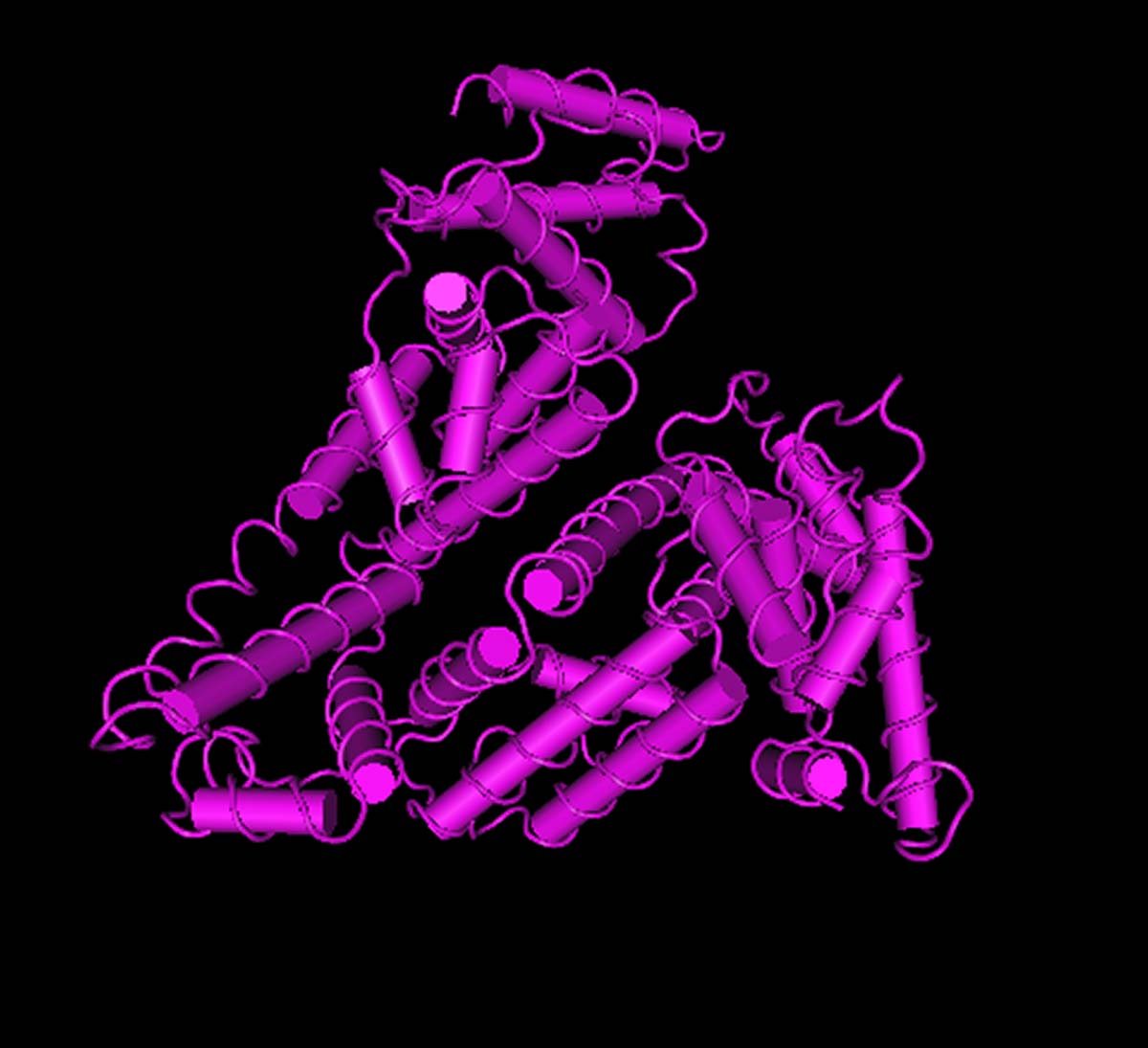
Anti-Human Albumin (ALB)
Albumin is a plasma protein primarily responsible for maintenance of oncotic pressure in the vasculature. ALB provides a source of amino acids for protein synthesis and serves as a transport protein for many drugs, hormones and metallic ions. Elevated urine levels of ALB are a sensitive marker of evolving diabetic nephropathy.
| Product Name: | Anti-Human Albumin (ALB) |
|---|---|
| Product Code: | S0111G000 |
| Specificity: | Human ALB |
| Host Species: | Goat |
| Form: | Serum or IgG fraction |
| Grades: |
|
| Antigen Source: | Normal human plasma/serum |
| Reactivity: | Monospecific by immunoelectrophoresis (IEP) when tested against pooled human plasma and 3X concentrated pooled human serum |
| Storage: | 2°C to 8°C |
| Buffer: | 20mM Sodium Phosphate, 150mM Sodium Chloride, 0.05% NaN3 (PBSA) |
| Filtration: | 0.2 µm filtered |
| Appearance: | Antiserum – amber color and free from particulates
IgG fraction – clear and free from particulates |
| Final pH: | 6.0-8.0 |
| Applications: | Immunoturbidimetry/nephelometry, IEP, Enzyme-linked immunosorbent assay, other qualitative and quantitative assays |
| Concentration: | Matched to reference lot by immunoturbidimetry to ensure consistent titer and avidity. |
| Intended Use: | For Further Manufacturing or Research Use Only |
Coming Soon.