Germany
 Japan
Japan
 United Kingdom
 China
China







Products






Highlights


Hot Topics
MAGEA Family:
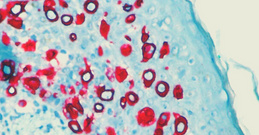
MAGE-A family are part of the cancer-testis antigens whose limited expression in normal tissues and high expression in cancer makes them excellent targets for immunotherapy. Clinical trials have already begun targeting MAGE-A3 and MAGE-A4 proteins in lung cancer tumors. A recent study showed that MAGEA3 & MAGEA4 could be co-expressed in lung cancer. Learn more »
New Posts
B-cell lineage marker
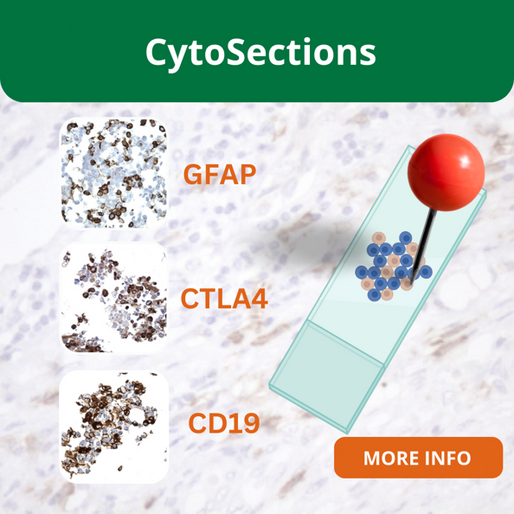
B cells are white blood cells that, along with T cells, form the adaptive immune system. They are responsible for antibody production and antigen-presenting to the T cells to generate an effective immune response. OriGene brings you a sampler antibody kit for multi-target analysis for B cell lineage. Get the panel here »

Customer Testimonial

Videos