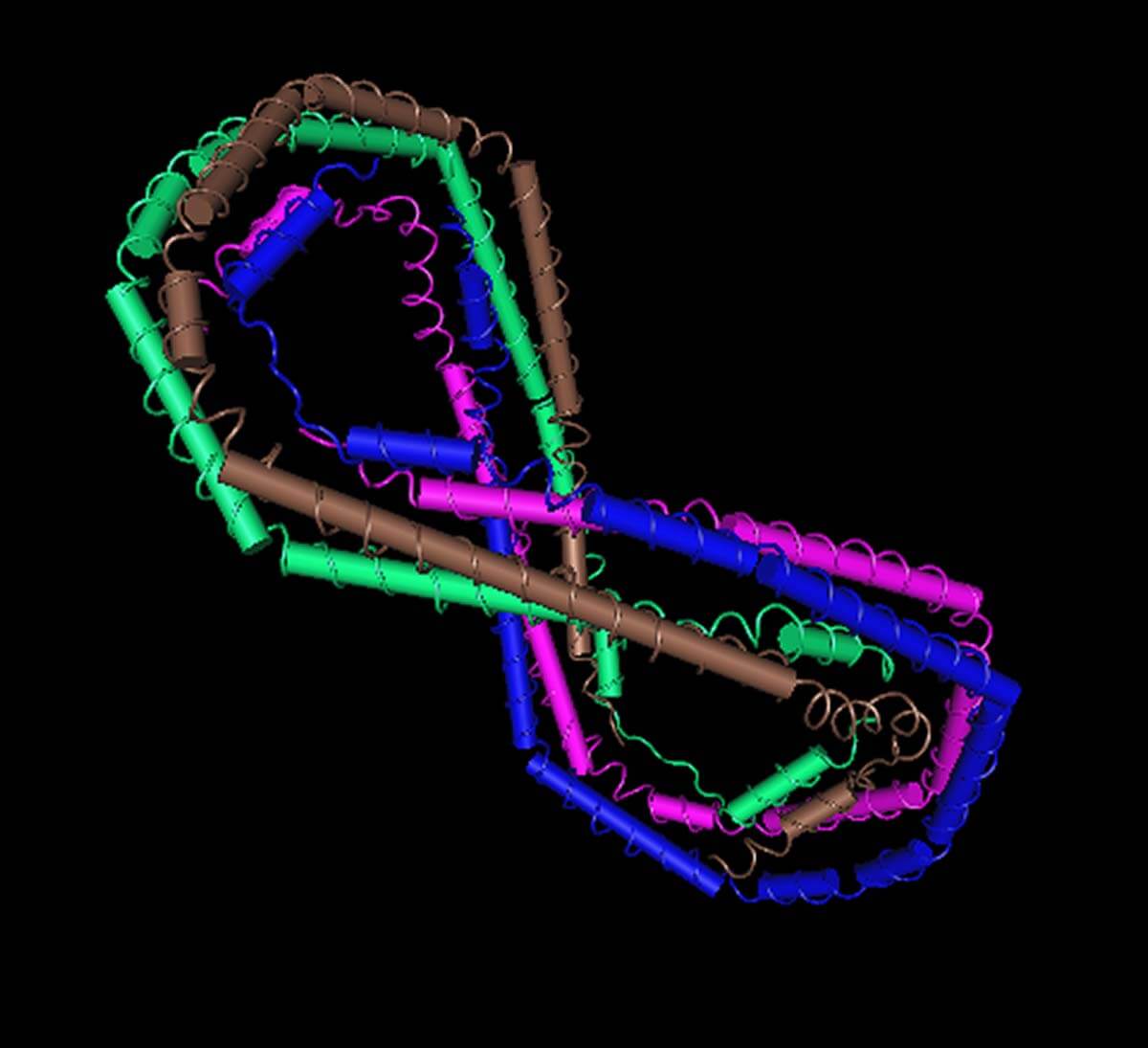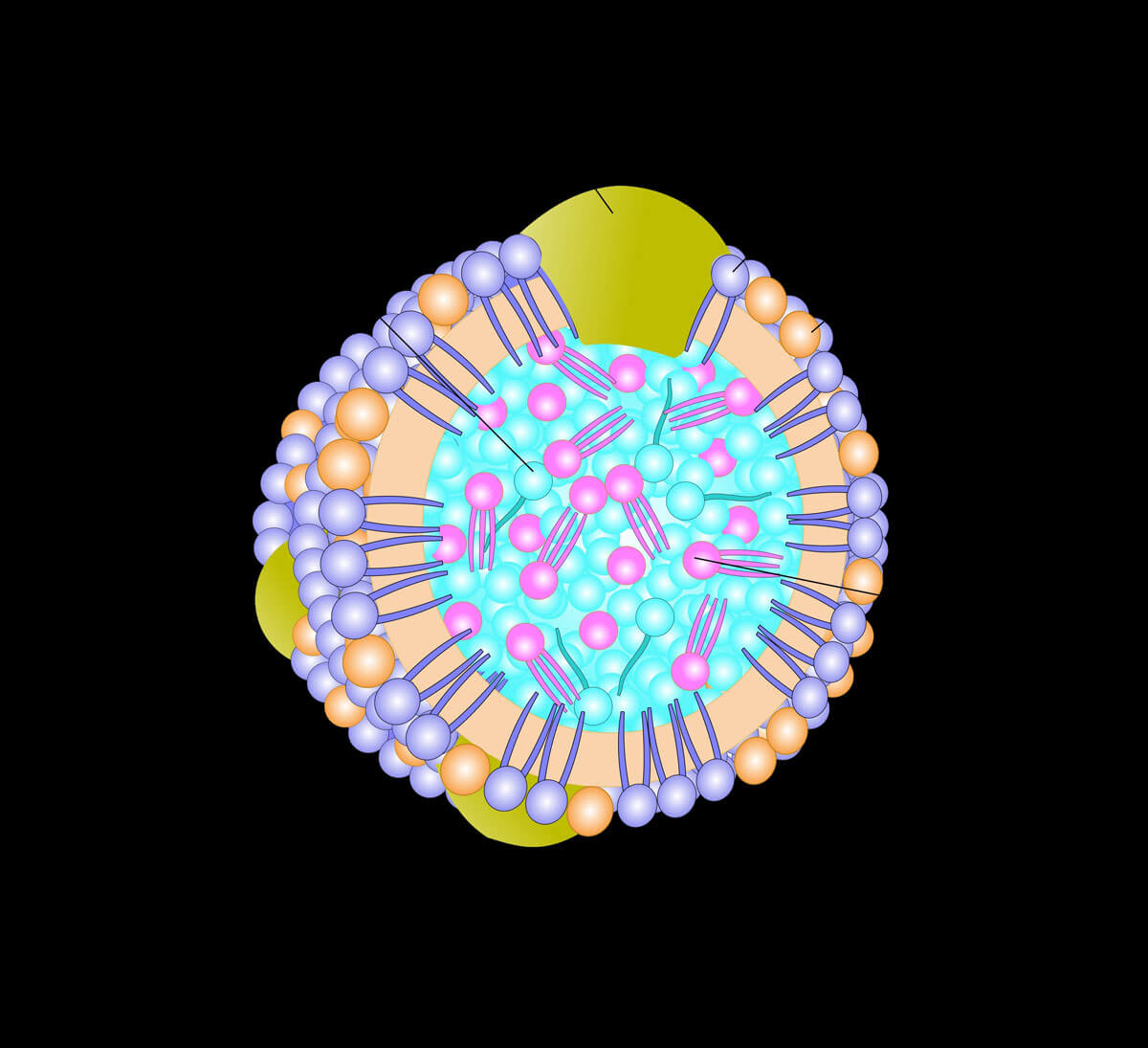
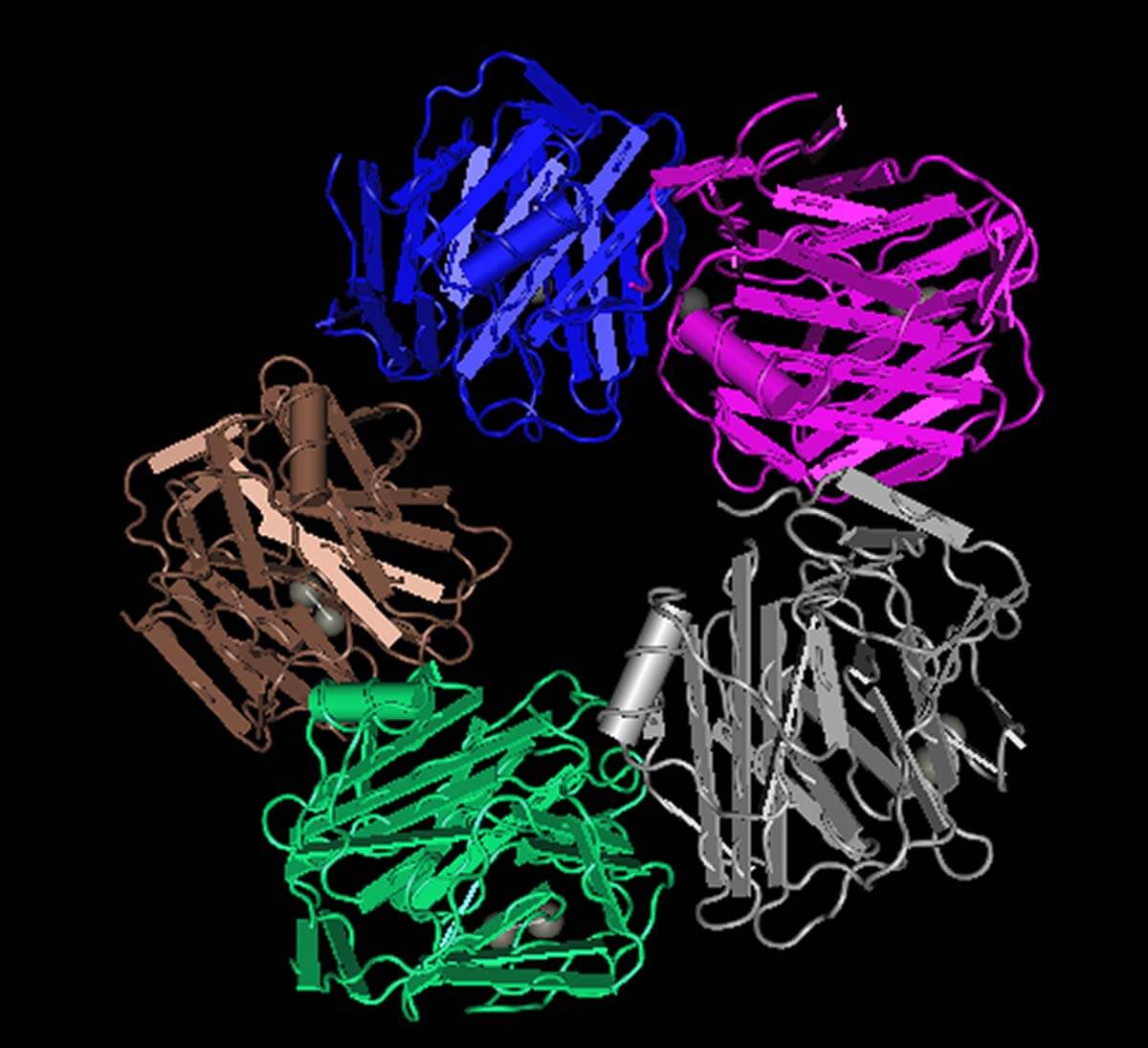
Anti-Human C-Reactive Protein (CRP)
CRP is an acute phase protein that rises rapidly during infection. It is frequently used to serially monitor the extent and course of inflammatory processes. Low levels of CRP (within the normal range) are associated with increased cardiovascular risk.
| Product Name: | Anti-Human C-Reactive Protein (CRP) |
|---|---|
| Product Code: | S3911G000 |
| Specificity: | Human CRP |
| Host Species: | Goat |
| Form: | Serum or IgG fraction |
| Grades: |
|
| Antigen Source: | Normal human plasma/serum |
| Reactivity: | Monospecific by immunoelectrophoresis (IEP) when tested against pooled human plasma and 3X concentrated pooled human serumMonospecific by immunoelectophoresis (IEP) when tested against CRP positive material |
| Storage: | 2°C to 8°C |
| Buffer: | 20mM Sodium Phosphate, 150mM Sodium Chloride, 0.05% NaN3 (PBSA) |
| Filtration: | 0.2 µm filtered |
| Appearance: | Antiserum – amber color and free from particulates
IgG fraction – clear and free from particulates |
| Final pH: | 6.0-8.0 |
| Applications: | Immunoturbidimetry/nephelometry, IEP, Enzyme-linked immunosorbent assay, other qualitative and quantitative assays |
| Concentration: | Matched to reference lot by immunoturbidimetry to ensure consistent titer and avidity. |
| Intended Use: | For Further Manufacturing or Research Use Only |
Coming Soon.